
Eid marks the end of fasting from sunrise to sunset during Ramadan. At the same time, it marks the festive transition into a time of joy and togetherness: families come together and children enjoy sweets and gifts.
But what is there to eat during Eid, what traditions and customs characterize the festival - and why are dates so important? You can find out this and more in this article.

'Eid al-Fitr' as an occasion for community, gratitude & enjoyment
Ramadan is a special period of inner reflection for Muslims. In addition to abstaining from food and drink, the focus is on mindfulness, prayer, self-discipline and compassion. The end of this period is celebrated worldwide with Eid al-Fitr. The name comes from Arabic and literally means "festival of breaking the fast". In German-speaking countries it is known as Zuckerfest and in Turkish as Ramazan Bayramı. It honors the conscious month of fasting and the common path that many believers have taken during this time.
Eid is celebrated immediately after the last day of Ramadan and falls on the first day of the month of Shawwal in the Islamic lunar calendar. As this is based on the position of the moon, the date varies every year. Eid al-Fitr officially lasts one to three days, depending on the country and cultural tradition.
What is there to eat on Eid?
Many people who are experiencing Eid for the first time ask themselves: What is served on these special days? There is no simple, one-size-fits-all answer, as there are no prescribed dishes. Although the name commonly used in German suggests mainly sweets, it falls short of the mark.
Instead, local, cultural and family traditions shape the festivities, giving each celebration its very own culinary flavor. Depending on the region - Arabic, Persian, South Asian or Turkish cuisine - the dishes served differ significantly, both in terms of ingredients and preparation.
Several Eid dishes are often served at the same time. Either as a richly laid table or a small buffet, so that family and guests can taste, share and enjoy together. Basically, Eid is not about eating and drinking to excess, but about conscious enjoyment after the period of fasting.
Culinary variety: typical dishes for Eid
- Desserts such as baklava, maamoul, cookies and other pastries.
- Hearty main courses made from meat, rice, pulses or vegetables. From lamb or chicken dishes to biryani rice variations and stuffed vegetables.
- Starters such as soups, salads or small snacks to add variety to the table.
- Side dishes including yogurt, bread or dips to complement main courses.
- Small snacks and pastriesforguests and children who are joining the party.
Drinks: refreshing & festive
They accompany the Eid meals and complement desserts and savory dishes. Yoghurt drinks such as ayran, freshly prepared fruit juices or syrups as well as tea and spiced coffee are popular.
In some regions, there are also special celebratory drinks such as sharbat or sahlab, which are only served on special occasions.

The special significance of dates
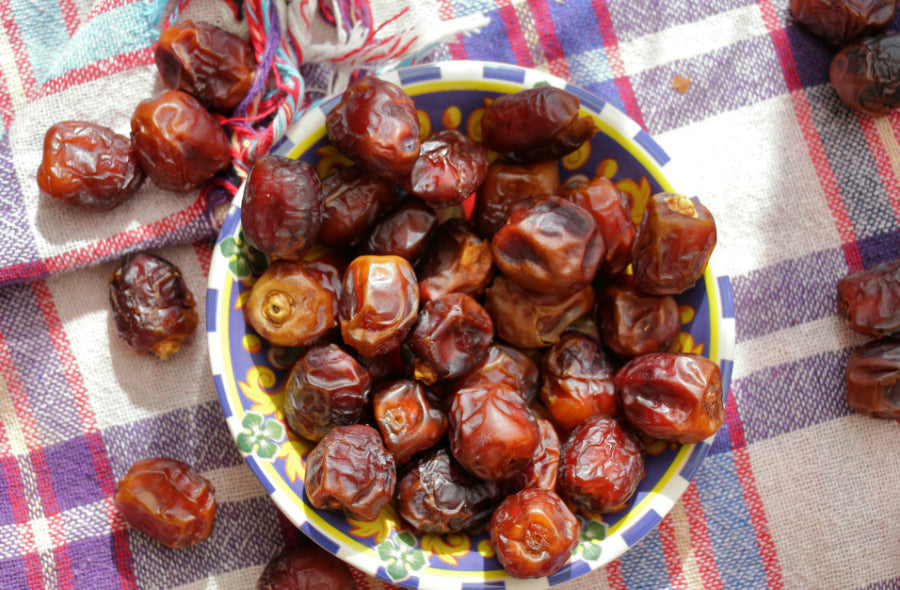
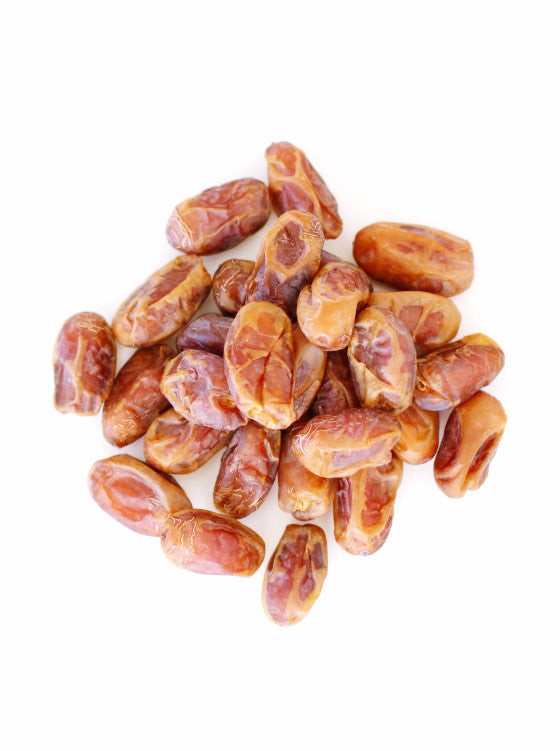
Dates have a long tradition in the Islamic context. The Prophet Muhammad is said to have broken his fast with dates, which is why they are still symbolic of the transition from fasting to feasting. Many Muslims appreciate them because they provide a pleasantly sweet energy - without replacing a meal.
How they enrich the Eid meal
- Eaten pure, usually directly when breaking the fast, to gently prepare the body for the meal.
- Stuffed or candied as a sweet treat for guests and children.
- Incorporated into dishes, for example in sweet pastries, desserts or even in some savory dishes with rice or meat, where they add a sweet and savory note.
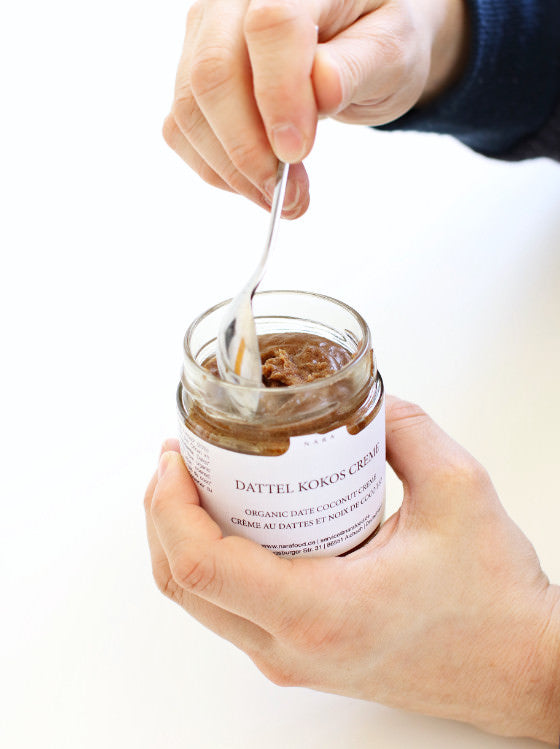
They are therefore not just a snack, but an integral part of some Eid dishes that characterize the festive table. Nowadays, many families pay more attention to their diet. As a result, Eid is also more consciously combined: sweet treats are served alongside balanced dishes. Dates fit in well with this approach as they are versatile. If you value quality, you can buy high-quality dates from Narafood and combine tradition with modern indulgence.
→ You can find inspiration for preparation in our wide range of date recipes.
More than just a treat: the customs & traditions behind Eid
Eid is much more than just a culinary highlight after Ramadan. It follows religious and social rituals that give the festival its special depth. Depending on the country, these traditions can vary during Eid. Common customs include:
- Celebrating and eating together as a family
- Ritual washing, prayer and sermon
- Festive clothing and gifts for children
- Visiting relatives and friends
- Sharing delicious food with neighbors and the needy
All these rituals make it clear that Eid is a celebration of community and gratitude - based on values that go far beyond the feast.
Purification & prayer: a conscious start to the day
Eid al-Fitr traditionally begins with a ritual ablution, which symbolizes purity and a new beginning. This is followed by the morning prayer (Salat al-Eid) in mosques or in large prayer areas. It is a ritual that emphasizes the community spirit of the Eid.
Many families then visit the cemetery, where deceased relatives are remembered and prayers of supplication are said before finally moving on to the festivities.
Breaking the fast: Culinary delights after the fast
Unlike during Ramadan, eating and drinking is expressly encouraged during the Sugar Festival. The first meal - often a family breakfast - symbolizes the return to everyday life and conscious enjoyment after the fasting period.
During the course of the day, the focus is on larger feasts, visits to relatives and friends and sharing food with neighbors. Festively decorated houses and new clothes underline the significance of the day.

Zakat al-Fitr: giving joy
A central Eid custom is Zakat al-Fitr, a donation before the festival so that those in need can also take part in Eid. In this way, Muslims combine spiritual joy with social responsibility.
Passing on values to the younger generation
Eid is particularly important for children. They usually receive new clothes, sweets and small gifts - often in recognition of their discipline during Ramadan. In this way, traditions are passed on and brought to life.
Eid food & rituals as an expression of culture and closeness
Eid is therefore much more than just a culinary event. It is a religious, social and cultural gathering that can be experienced through eating together. For many Muslims, dates symbolize the transition between fasting and indulgence. They therefore remain a timeless part of the festival, then as now.
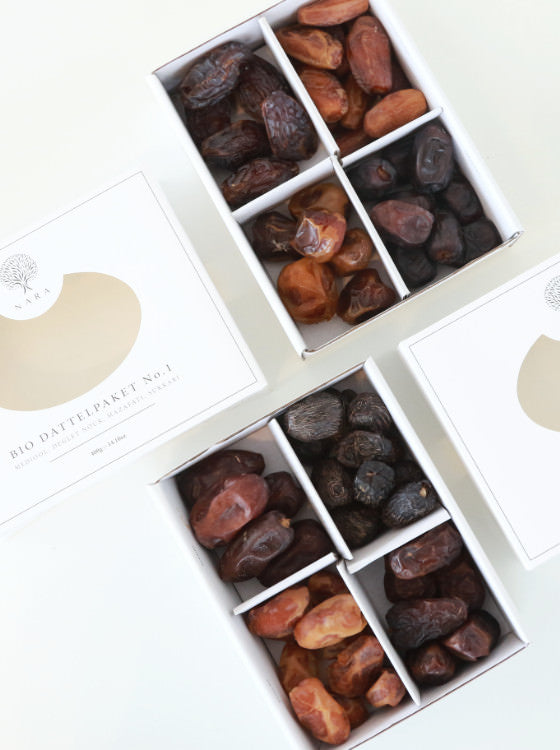
Would you like to discover the variety of dates for yourself? Then take a look in our store. Here you will find individual varieties or exciting tasting packs that are guaranteed to enrich your sugar festival table and taste buds.
Enjoy the taste, your NaraFood team!