


Less sugar, more enjoyment—sounds tempting, doesn’t it? In fact, there are now plenty of ways to sweeten things naturally — without refined sugar. The selection is impressive: date syrup, coconut blossom sugar, honey, and stevia are among the most popular alternatives. But which ones are best for cooking and baking? And what should you look for when buying them, for example?
We'll compare the sweetness, calories, and taste of the top natural sugar substitutes for you.
Less Table Sugar: Why It's Worth Checking Out the Alternatives
Regular sucrose, or “table sugar,” is found in a surprising number of foods. Have you ever really paid attention to how much conventional sugar is in your breakfast cereal or your favorite yogurt? In Germany, we consume about 34 kilograms of sugar per person each year. Too much of it raises blood sugar levels, promotes tooth decay, and can lead to obesity and metabolic disorders in the long term.
But you don't have to give up sweets altogether. Even small changes in your diet can make a noticeable difference. Plant-based sweeteners often provide additional nutrients, have a lower glycemic index, or contain fewer calories than refined sugar. So, especially for people with diabetes and anyone who wants to enjoy food more mindfully, it’s worth taking a look at the alternatives.
What role does the glycemic index (GI) play?
The glycemic index (GI) indicates how quickly and how much a carbohydrate-containing food raises blood sugar levels after consumption. The lower the value, the slower and more gradually blood sugar rises.

The Most Popular Plant-Based Sugar Alternatives
While artificial sweeteners such as aspartame, saccharin, and cyclamate are produced entirely synthetically in laboratories and are frequently the subject of criticism, many people prefer to use natural sugar substitutes.
The advantage: If you want to sweeten your food naturally—without sugar or chemical additives—plant-based alternatives offer more than just sweetness. They often provide additional nutrients and an authentic flavor as well. The selection of products for natural sweetening is more diverse than ever before. Below, we’ll introduce you to a few of the most popular options based on plant-based ingredients.
Dates in various varieties
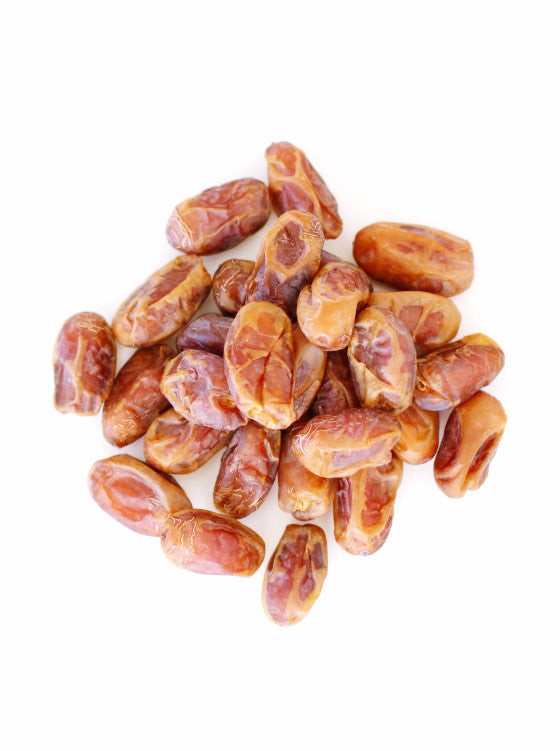
The “desert fruit” is one of the oldest sweeteners in the world —and for good reason. In addition to natural fructose, the fruit is rich in dietary fiber, potassium, and magnesium.
What sets date sugar apart from many alternatives is that it is a purely natural product without any industrial processing, and it has a mild, caramel-like flavor that adds a special touch to recipes. The fructose content in dates is also easily tolerated, as the dietary fiber they contain slows down its absorption in the body.
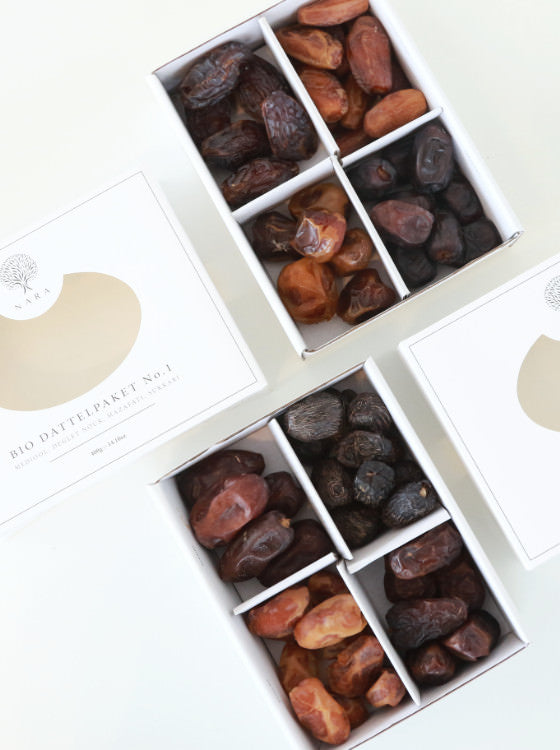
Dates can be used as a sugar substitute in various forms, depending on the intended use:
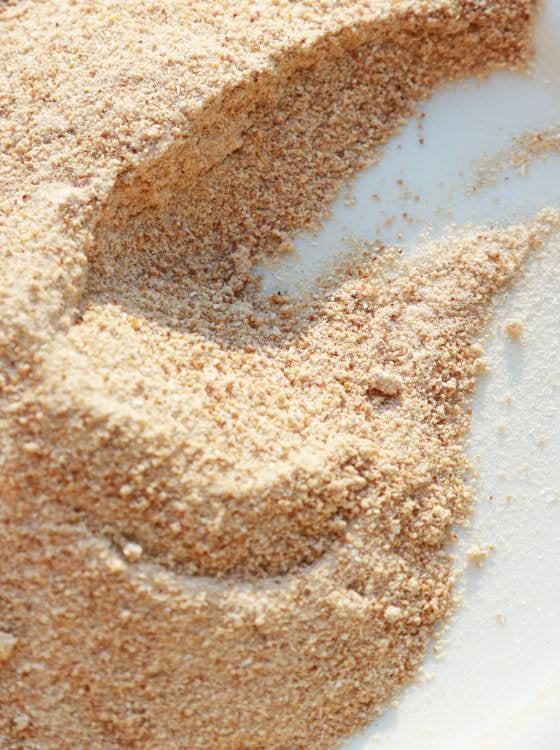
- Date sugar: Ground dried dates—perfect as a natural sugar substitute for baking and flavoring—and can be measured out just like regular sugar. Give it a try—for example, with our high-quality organic date sugar.
- Date syrup: A liquid sweetener that is often used in cereal, desserts, or dressings.
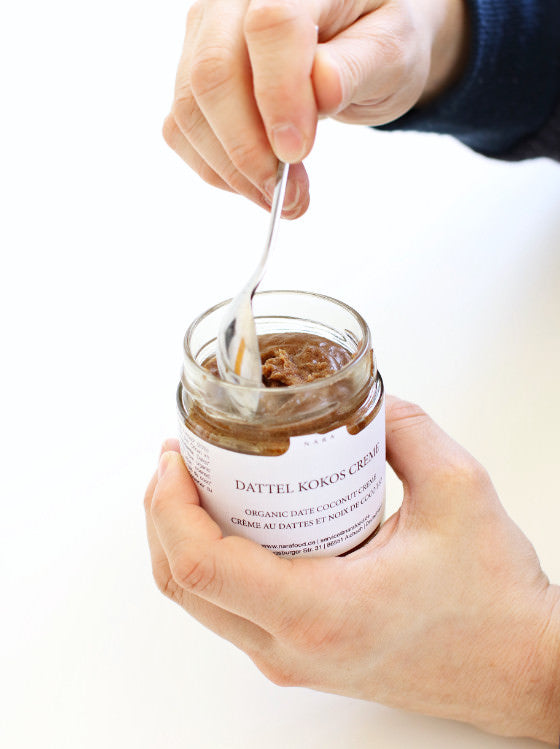
- Date Puree & Date Paste: Creamy varieties that are perfect for making smoothies, energy balls, or as a spread.
If you're looking for a high-quality, natural substitute for sugar in your daily life, you'll find the right date product for almost any use among this wide variety.

Coconut Blossom Sugar: Natural Sweetness with a Caramel Flavor
Coconut blossom sugar is painstakingly harvested by hand from the nectar of coconut palm blossoms. Despite its name, it doesn’t taste like coconut, but rather has a pleasant caramel flavor with a slightly malty note. This makes it the ideal choice for cakes, cookies, or hot beverages. In the kitchen, you can use it almost 1:1 in place of table sugar, as it has a comparable sweetness and dissolves well.
With a glycemic index of about 54 (table sugar: 65), it causes blood sugar levels to rise somewhat more slowly. In terms of calories, however, it differs very little from conventional sugar. The added value of coconut blossom sugar therefore lies primarily in its flavor and ease of use.
Agave syrup: a neutral all-purpose ingredient
Do you want to sweeten your dish naturally without overpowering its flavor? Mild, liquid, and virtually flavorless: these qualities make agave syrup a vegan all-rounder for plant-based sweetness. The syrup is extracted from the sap of the Mexican agave plant, which was already valued by the Aztecs as both food and medicine.
However, 70–90% of this thick juice consists of fructose. While this results in a low glycemic index (GI of about 15), consuming it in large quantities can cause digestive discomfort in people with fructose intolerance.
Sweeten naturally with honey, the well-known classic
"Bee gold" is arguably one of the most classic options among natural sugar alternatives. In addition to its pleasant sweetness , honey also provides valuable enzymes, antioxidants, antibacterial compounds, and trace elements such as iron and zinc. Its sweetness is about 20% greater than that of table sugar.
→ Important to know: When heated above 40 °C, many of the beneficial enzymes are lost. Honey therefore provides the most benefit when used lukewarm or cold (e.g., in beverages, dressings, or as a topping).

Maple Syrup: The Rich Flavor from Canada
Maple syrup is produced from the sap of the sugar maple tree through a labor-intensive process and is rich in antioxidants and minerals such as manganese and zinc. It has a distinctive spicy-sweet flavor that is particularly popular when paired with pancakes. It also enhances sauces, marinades, and dressings, as well as tea and cocktails.
→ When buying, it’s worth taking a close look at the label: Some products on the market are diluted with sugar water. Look for the label “pure maple syrup” and opt for organic quality whenever possible.
Stevia, Erythritol, and Xylitol—plant-based, but processed
All three are based on plant-derived raw materials but undergo complex industrial processing. Strictly speaking, therefore, they cannot be described as “natural” sugar alternatives.
Stevia is extracted from the leaves of the South American stevia plant and is up to 300 times sweeter than sugar. As a highly concentrated, calorie-free sweetener (steviol glycoside) with a glycemic index of 0, it is particularly appealing as a sugar substitute for people with diabetes. However, its licorice-like aftertaste isn’t to everyone’s liking, so it’s usually used in combination with other sugar substitutes or refined sugar.
Unlike stevia, erythritol and xylitol are classified as sugar alcohols (polyols). This means that their chemical structure is similar to that of conventional sugar, and they behave similarly in the kitchen. They provide volume, texture, and a sweetness that is much closer to that of table sugar than to that of stevia. As a result, they can be measured and used in much the same way in many recipes:
| Property | Erythritol | Xylitol (“birch sugar”) |
|---|---|---|
| Basic | Cornstarch | Corn cob scraps or hardwood (formerly birch bark) |
| Sweetness vs. Sugar | about 70% | about 100% |
| Calories | Virtually calorie-free | about 40% less than sugar |
| Glycemic Index | 0 | about 7 |
→ Caution regarding pets: Xylitol is toxic even in small amounts and must be kept out of reach.
How well do natural sugar substitutes work for baking?
Most plant-based sugar alternatives can be easily used in dressings, beverages, and much more—but what about baking? It’s not just the sweetness that matters here.
Sugar substitutes—whether natural or industrially produced—behave differently in dough. This is because consistency, volume, and browning are also influenced by the sweetener chosen.
Can be used almost exactly like sugar:
- Date sugar: Preserves the volume and texture of baked goods. You can use it as a direct substitute for granulated sugar.
- Coconut Blossom Sugar: It dissolves easily and is ideal for cakes and cookies.
- Xylitol: It has a sweetness comparable to that of sugar and behaves similarly when baking.
Individual dosage required:
- Erythritol: About 130 g is equivalent to 100 g of sugar, since it is slightly less sweet.
- Honey and agave syrup: Liquid alternatives – Reduce the amount of liquid in the recipe accordingly. Approximately 80 g replaces 100 g of sugar.
- Stevia: Only tiny amounts are needed. It's best to combine it with erythritol to add volume.
So if you're specifically looking for a natural sugar substitute for baking, date sugar or coconut blossom sugar are your best options, since they behave similarly to conventional sugar in dough.

Sweetness, Calories, and GI Compared: Which Sugar Alternative Is Right for You?
Choosing the right sweetener depends on several factors. These include health considerations such as diabetes or weight management, your personal preference for sweetness, and how important sustainability in production and origin is to you.
The following overview may help you make a decision:
| Calories / 100 g | Glycemic Index (GI) | |
|---|---|---|
| Table sugar (sucrose) | about 400 kcal | approx. 60–70 |
| plant-based alternatives | Sweetness vs. Sugar | Calories / 100 g | Glycemic Index (GI) |
|---|---|---|---|
| Date sugar | Comparable | approx. 280 kcal | approx. 45–55 |
| Coconut Blossom Sugar | Comparable | approx. 380 kcal | approx. 54 |
| Honey | A little higher | approx. 304 kcal | approx. 61 |
| Maple syrup | A little higher | approx. 260 kcal | approx. 54 |
| Agave syrup | Higher | approx. 310 kcal | about 15 |
| Xylitol (birch sugar) | Comparable | about 240 kcal | about 7 |
| Erythritol | about 70% | approx. 0 kcal | 0 |
| Stevia | Up to 300 times higher | approx. 0 kcal | 0 |
An important point to remember with all alternatives:Even “naturally sweet” doesn’t mean “unlimited sweetness,” especially since some of these options are high in fructose. Choosing plant-based sweeteners is a conscious decision—one that brings more variety to your plate and promotes a more mindful approach to food.
Try out different natural sugar substitutes and find out which one works best for your daily life and your goals. Discover our selection of plant-based sweeteners now, featuring high-quality (organic) date-based creations.
Have fun trying it out! The NaraFood Team!